Teams › Chiba Lotte Marines: Complete Team History
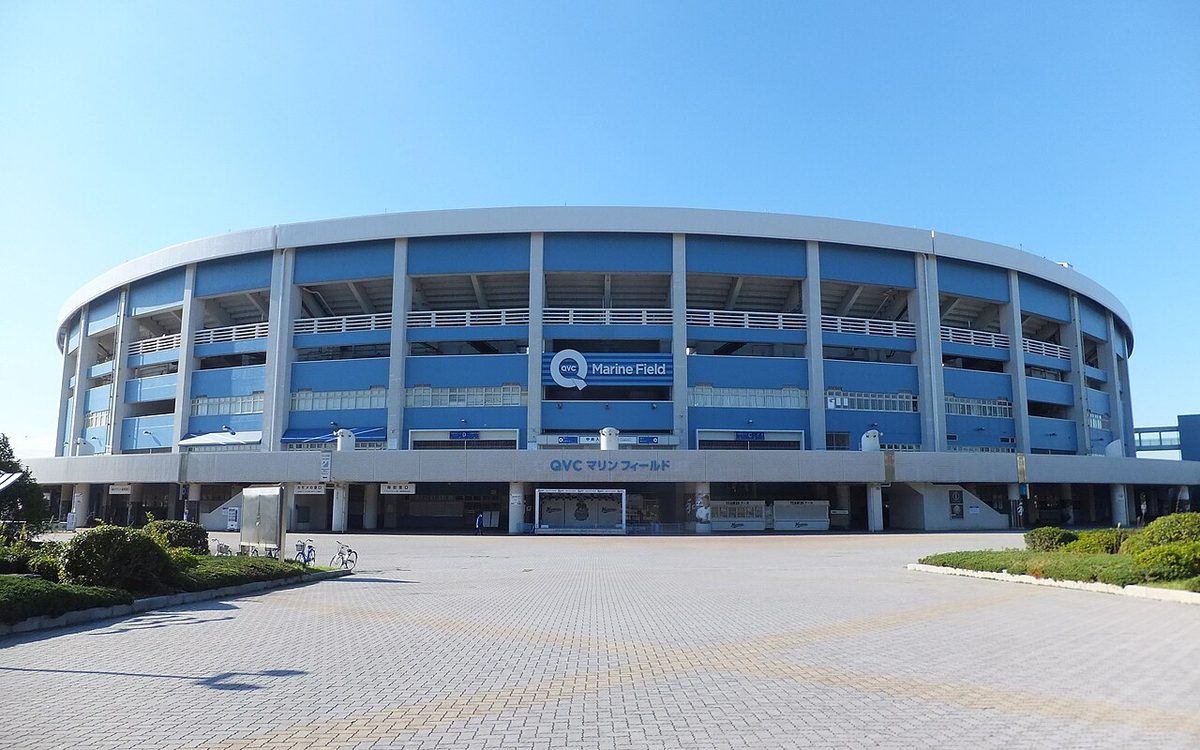
The Chiba Lotte Marines play by the sea. Their park sits right on Tokyo Bay. The wind off the water is strong. It can turn a pop fly into a home run. It can turn a home run into an out.
Their fans are famous too. They jump. They chant. They sing as one loud voice from the first pitch to the last. The team even retired a number for them.
The club is old. It began in 1950 as the Mainichi Orions. It won the very first Japan Series. Then it moved again and again before it found a home in Chiba.
This page tells the whole story. We go through the Orions years and the “gypsy” years. Then the move to Chiba. Then a big sweep and a perfect game. At the end, there is a timeline.
Here’s the thing. The Marines have often won when no one expected them to. Twice, they won the Japan Series after finishing out of first place.
If you are new to how the leagues work, read how NPB works first. All twelve clubs are on our teams page.
Quick Facts
- League: Pacific League.
- City: Chiba, just east of Tokyo.
- Founded: 1949, as the Mainichi Orions. First season in 1950.
- Owner: Lotte, a candy and snack company. It took over in 1971.
- Home parks: Korakuen (1950 to 1962). Tokyo Stadium (1962 to 1972). Miyagi Stadium in Sendai as a main base (1973 to 1977). Kawasaki Stadium (1978 to 1991). Chiba Marine Stadium (1992 on).
- Japan Series titles: 4 (1950, 1974, 2005, 2010).
- League titles: 5 Pacific League pennants (1950, 1960, 1970, 1974, 2005).
- Mascot: Mar-kun, a seagull.
- Retired number: No. 26, for the fans.
How the Team Began
In 1949, pro baseball in Japan was about to grow. The Mainichi newspaper wanted a team. Mainichi was one of the biggest papers in Japan. It was a rival of Yomiuri. Yomiuri owned the Giants.
Mainichi started a team called the Mainichi Orions. It helped form a brand-new league, the Pacific League.
To build a winner fast, Mainichi signed away stars from other teams. Several came from the Osaka Tigers. One was the slugger Kaoru Bettou. Another was a strong pitcher named Atsushi Aramaki, who came from the amateur ranks.
The First Japan Series: 1950
The plan worked right away. In 1950, the Orions won the first Pacific League pennant.
They met the Shochiku Robins in the first Japan Series. The Orions won, four games to two. They were the first Japan Series champions ever.
Bettou won the league MVP. He led the league in homers and RBIs. Aramaki won the most games and had the best ERA as a rookie.
Names and Owners Over the Years
- 1950 to 1957: Mainichi Orions.
- 1958 to 1963: Daimai Orions. The team merged with the Daiei Unions. Daiei was a film studio. “Daimai” is “Daiei” plus “Mainichi.”
- 1964 to 1968: Tokyo Orions.
- 1969 to 1991: Lotte Orions. Lotte began as a sponsor in 1969 and became the owner in 1971.
- 1992 on: Chiba Lotte Marines. The team moved to Chiba and took a new name.
Lotte is a big company in Japan and Korea. It makes gum, chocolate, and snacks.
Home Parks
This team moved a lot.
Korakuen Stadium (1950 to 1962). The Orions shared this Tokyo park with other teams.
Tokyo Stadium (1962 to 1972). The team was run by a film boss named Masaichi Nagata. He built his own park in a working part of Tokyo. At night, its lights glowed bright. People called it “the stadium of light.” But it lost money. It closed after 1972.
The gypsy years (1973 to 1977). With no park of its own, the team played all over. Its main base was Miyagi Stadium, far north in Sendai. It also played in Tokyo and Kawasaki. People called it “the gypsy team.” That old park in Sendai is now the home of the Rakuten Eagles. See our Rakuten Eagles history page.
Kawasaki Stadium (1978 to 1991). A small, run-down park between Tokyo and Yokohama. Crowds were often thin.
Chiba Marine Stadium (1992 on). A big, open park by the bay. It has also carried sponsor names, such as ZOZO Marine Stadium. The wind there is famous. On some days it blows harder than at any other park in Japan.
The 1960 Missile Lineup
In 1960, the Daimai Orions had a big-hitting lineup. People called it the “missile lineup.” Kazuhiro Yamauchi and Kihachi Enomoto were among its stars. The manager was Yukio Nishimoto.
The Orions won the pennant. They were big favorites in the Japan Series. But the Taiyo Whales swept them in four games. Every game was won by one run. See our Yokohama BayStars history page.
The owner was mad about a bunt call in the series. He fired Nishimoto. Nishimoto went on to win many pennants with Hankyu and Kintetsu.
The 1970 Pennant
In 1970, the Tokyo-based team, now called the Lotte Orions, won the pennant again. The park in Tokyo was rocking. But the Giants beat them in the Japan Series. It was the middle of the Giants’ nine-year run.
1974: Kaneda’s Title
In 1973, Masaichi Kaneda became the manager. He was the 400-win pitcher who had starred for the Swallows and the Giants. He was loud and full of energy.
In 1974, the Pacific League used a split season. The Orions won the second half. Then they beat the Hankyu Braves in a playoff for the pennant.
In the Japan Series, they beat the Chunichi Dragons in six games. It was the team’s second Japan Series title. The team was in its gypsy years. It won a title without a real home. See our Chunichi Dragons history page.
The Kawasaki Years
From 1978 to 1991, the Orions played at Kawasaki Stadium. The team was often in the middle or at the bottom. Crowds were small. Some TV shows made fun of the empty seats.
But the team had some of the best players in Japan.
Hiromitsu Ochiai was a quiet, thoughtful hitter. He won the Triple Crown three times: in 1982, 1985, and 1986. That means he led the league in batting average, homers, and RBIs. No one else in Japan has done it three times.
Choji Murata was an ace. He had a huge windup. He swung his leg and arm way back, like a man chopping wood. People called it the “masakari” delivery. That means “battle axe.” He had elbow surgery in 1983 and came back to win again. He won 215 games.
Michiyo Arito was a solid infielder who reached 2,000 hits.
Two brothers from America, Leron Lee and Leon Lee, were also big hitters for Lotte.
10.19
On October 19, 1988, Lotte played a doubleheader at Kawasaki against the Kintetsu Buffaloes. Lotte was not in the race. But Kintetsu had to win both games to take the pennant.
The park was packed for once. People sat in the aisles. Many more watched on TV. Kintetsu won the first game. The second game went to extra innings. Lotte’s manager argued a call for a long time. The clock ran out. Under the rules, the game ended in a tie. Kintetsu missed the pennant.
Fans call that day “10.19.” It is one of the most famous days in Pacific League history. See our Orix Buffaloes history page for Kintetsu’s side.
The Move to Chiba
In 1992, the team moved to Chiba. It got a new name: the Chiba Lotte Marines.
Bobby Valentine was hired as manager in 1995. He was an American who had managed in the majors. The Marines finished second that year. But Valentine was let go after one season.
A pitcher named Hideki Irabu threw very hard for Lotte in the 1990s. He later pitched for the New York Yankees. Satoru Komiyama was a smart pitcher who threw many different pitches.
In 1998, the Marines lost 18 games in a row. It was a Japan record. Fans kept cheering anyway. They sang. They waved flags. They did not boo. That stuck with people. It showed what kind of fans they were.
2005: The Big Sweep
Valentine came back in 2004. In 2005, the Marines had their best year in decades.
They finished second in the regular season. But that year, the Pacific League gave the pennant to the winner of a playoff. The Marines beat the SoftBank Hawks in the playoff. They won the pennant.
In the Japan Series, they faced the Hanshin Tigers. The Marines won four straight games. They outscored the Tigers 33 to 4. It was one of the most lopsided Japan Series ever. See our Hanshin Tigers history page.
It was the team’s first Japan Series title in 31 years. Valentine was the first manager from outside Japan to win the Japan Series.
Stars of that team included:
- Tsuyoshi Nishioka, a fast young shortstop.
- Kazuya Fukuura, a steady hitter. He won the batting title in 2001. See the batting average title holders page.
- Tomoya Satozaki, a catcher.
- Shunsuke Watanabe, a submarine pitcher who threw from almost on the ground.
- Masahide Kobayashi, the closer.
- Lee Seung-yeop, a slugger from Korea.
After the Japan Series, the Marines won the first Asia Series too. It was a tournament of champions from Japan, Korea, Taiwan, and China.
2010: From Third to First
In 2010, the Marines finished third. They won two playoff rounds. Then they beat the Chunichi Dragons in the Japan Series. It went seven games, with one tie.
In Japan, this kind of upset has a name. It is “gekokujo.” It means “the low beat the high.” It was the team’s fourth title. See the 2010 title holders page. Nishioka won the batting title that year.
The manager was Norifumi Nishimura, a former Lotte player.
Roki Sasaki’s Perfect Game
On April 10, 2022, a young pitcher named Roki Sasaki faced the Orix Buffaloes. He threw a perfect game. No Orix batter reached base.
He struck out 19 batters. That tied the Japan record for one game. He struck out 13 in a row. That set a new Japan record.
He was 20 years old. Later, he moved to the majors. See our guide to the posting system.
As of the 2025 season, the team has won 4 Japan Series and 5 Pacific League pennants.
Eras at a Glance
The Mainichi years. 1950 to 1957. A newspaper team. The first champs.
The Daimai years. 1958 to 1963. Big bats. One pennant. One hard loss.
The Tokyo years. 1964 to 1972. A park of their own. The 1970 pennant.
The gypsy years. 1973 to 1977. No real home. A title anyway.
The Kawasaki years. 1978 to 1991. Small crowds. Big stars like Ochiai and Murata.
The Chiba years. 1992 on. A home by the sea. Two titles. The best fans in the league.
How to Follow the Marines
Want to get into this team? Here are some tips.
Go to a game in Chiba. The park is a short walk from the train. Sit in right field if you want to jump and sing. Sit up high if you want to watch.
Learn the chants. The fans chant in short bursts. They are easy to pick up. By the third inning, you will know a few.
Watch the flags. The flags at the top of the park show the wind. Check them before you guess where a fly ball will land.
Know the old names. Orions. Daimai. Lotte Orions. They are all the same club. Old fans still use them.
Pick a player. Find one young player and follow him. Watch him grow over a few seasons. That is how most fans get hooked.
Here’s the thing. You do not need to know the whole history to have fun. But once you know it, every win feels bigger.
Championships
Japan Series titles (4): 1950, 1974, 2005, 2010.
Japan Series losses (2): 1960 and 1970.
Pacific League pennants (5):
- 1950s: 1950.
- 1960s: 1960.
- 1970s: 1970, 1974.
- 2000s: 2005.
The 2010 team won the Japan Series after finishing third. It did not win the pennant. The 2005 pennant came through the playoff.
Legendary Players
- Kaoru Bettou. Slugger. MVP of the first Pacific League season.
- Atsushi Aramaki. Ace of the 1950 champs.
- Kazuhiro Yamauchi. Slugger of the missile lineup.
- Kihachi Enomoto. Fine hitter. 2,000 hits.
- Choji Murata. The battle-axe windup. 215 wins.
- Hiromitsu Ochiai. Three Triple Crowns.
- Michiyo Arito. 2,000 hits.
- Hideki Irabu. Hard thrower. Later a Yankee.
- Kazuya Fukuura. Batting champ. 2,000 hits.
- Tsuyoshi Nishioka. Speedy shortstop.
- Shunsuke Watanabe. The submarine.
- Roki Sasaki. The perfect game.
Great Managers
- Yukio Nishimoto. The 1960 pennant.
- Masaichi Kaneda. The 1974 Japan Series.
- Bobby Valentine. The 2005 sweep.
- Norifumi Nishimura. The 2010 upset.
Famous Moments
The first champions. The 1950 Japan Series.
The stadium of light. Tokyo Stadium in the 1960s.
Three Triple Crowns. Ochiai in the 1980s.
10.19. The 1988 doubleheader.
33 to 4. The 2005 sweep.
Third to first. The 2010 title.
Perfect. Sasaki in 2022.
Rivalries
The Hokkaido Nippon-Ham Fighters. The two teams shared a lot of history in the Tokyo area. Both were Pacific League teams in the shadow of the Giants. See our Nippon-Ham Fighters history page.
The SoftBank Hawks. The Marines beat them in playoffs in 2005 and 2010.
The Kintetsu and Orix Buffaloes. 10.19 and Sasaki’s perfect game make for a long, strange history.
Culture, Mascot and Cheering
The fans. Marines fans are known as some of the best in Japan. They do not just play trumpet songs. They chant, clap, and jump together, like soccer fans in Europe. The right field stands bounce.
No. 26. A team has 25 players on the main roster. The fans are the “26th player.” So the Marines retired No. 26 for them in 2005. A fan jersey with No. 26 hangs in the dugout.
Tokyo Ondo. There is an old song called “Tokyo Ondo.” Back when this team was the Tokyo Orions, its fans sang it at games. They were the first. Swallows fans now sing it with umbrellas. See our Yakult Swallows history page.
The mascot. Mar-kun is a seagull. He fits a team by the sea. He has two sisters, Rine-chan and Zu-chan. For a few years, there was also a strange mascot. It was called the “Mysterious Fish.” Later, it grew arms and legs. It was retired after 2021.
Lucky 7. Before Lotte bats in the seventh inning, the park plays the song “We Love Marines.”
The wind. Every game at the bay has a bit of luck in it. Players have to learn how the wind works.
Timeline
- 1949: The Mainichi Orions are formed.
- 1950: First pennant. First Japan Series champions.
- 1958: Merge with the Daiei Unions. Daimai Orions.
- 1960: Missile lineup. Pennant. Swept by the Whales.
- 1962: Tokyo Stadium opens.
- 1964: Tokyo Orions.
- 1969: Lotte Orions.
- 1970: Pennant.
- 1971: Lotte becomes the owner.
- 1973: Gypsy years begin. Kaneda becomes manager.
- 1974: Pennant and Japan Series title.
- 1978: Move to Kawasaki.
- 1982: Ochiai’s first Triple Crown.
- 1985 and 1986: Ochiai’s second and third Triple Crowns.
- 1988: 10.19.
- 1992: Move to Chiba. Chiba Lotte Marines.
- 1995: Valentine’s first year.
- 1998: 18 losses in a row.
- 2005: No. 26 retired for fans. Japan Series sweep. Asia Series title.
- 2010: Third-place team wins the Japan Series.
- 2022: Sasaki’s perfect game.
- As of 2025: 4 Japan Series titles and 5 pennants.
Key Terms
Orions. The team’s name from 1950 to 1991.
Daimai. “Daiei” plus “Mainichi.” The team’s name after a merger.
Gypsy years. 1973 to 1977, when the team had no fixed home.
Masakari. Choji Murata’s battle-axe windup.
10.19. The October 19, 1988 doubleheader.
Gekokujo. “The low beat the high.” A big upset.
Common Questions
Did the Marines win the first Japan Series? Yes. As the Mainichi Orions, they won it in 1950.
Why did the Marines retire No. 26? To honor the fans as the team’s “26th player.”
How many Japan Series have the Marines won? Four, as of the 2025 season.
What is special about their ballpark? It sits on Tokyo Bay. The wind is very strong.
Who threw the perfect game? Roki Sasaki, on April 10, 2022.
The Bottom Line
The Marines won the first Japan Series. Then they wandered for decades. They moved from park to park, and some years almost no one came. In Chiba, they found a home and some of the best fans in the game.
There is a lesson in that. A team is more than its record. When fans stick with it through the lean years, the good years mean even more.
See all the clubs on our teams page. For stat leaders by year, see the title holders hub.
Sources
- Wikipedia, “Chiba Lotte Marines.” https://en.wikipedia.org/wiki/Chiba_Lotte_Marines
- Wikipedia (Japanese), “千葉ロッテマリーンズ.” https://ja.wikipedia.org/wiki/千葉ロッテマリーンズ
- Wikipedia, “Japan Series.” https://en.wikipedia.org/wiki/Japan_Series
- Wikipedia, “Pacific League.” https://en.wikipedia.org/wiki/Pacific_League
- Wikipedia, “Roki Sasaki.” https://en.wikipedia.org/wiki/Roki_Sasaki
- Chiba Lotte Marines official site. https://www.marines.co.jp/
- MLB.com, coverage of Roki Sasaki and Bobby Valentine. https://www.mlb.com/
- ESPN, coverage of the 2005 Japan Series. https://www.espn.com/
- Japan Times, baseball section. https://www.japantimes.co.jp/sports/baseball/