History › Founding of Japanese Pro Baseball (1934–1936)
Japan’s pro baseball league began in 1936. But the story starts two years before. It starts with a ship full of stars.
In the fall of 1934, Babe Ruth came to Japan. Huge crowds met him. A teenage pitcher struck him out. A newspaper boss saw what the game could be. Out of that tour came Japan’s first lasting pro team. And out of that team came a whole league.
This page tells the full story. We start with how baseball got to Japan. Then we cover the 1934 tour. We look at the first pro club and its trip to America. Then we meet the seven teams that made the league. We end with the first games and the first title. Last, we see what it all led to.
Here’s the thing. Pro baseball in Japan did not grow up slowly. It was built on purpose. It took about two years. A few people did it, and they believed in it.
New to how the leagues work? Read how NPB works first. For the whole timeline, see our history hub.
Quick Facts
- The tour: A team of U.S. stars came to Japan. Babe Ruth was on it. They landed on November 2, 1934.
- The famous game: November 20, 1934, in Shizuoka. Eiji Sawamura, age 17, struck out four stars in a row.
- The first pro club that lasted: It was set up on December 26, 1934. Today it is the Yomiuri Giants.
- The founder: Matsutaro Shoriki. He ran the Yomiuri paper.
- The league: It was formed on February 5, 1936.
- Teams at the start: Seven.
- First game of pro against pro: February 9, 1936. It was near Nagoya.
- First league game: April 29, 1936, at Koshien Stadium.
- First champion: The Tokyo Kyojin (Giants), in December 1936.
How Baseball Came to Japan
Baseball reached Japan more than 60 years before the pro league.
An American teacher named Horace Wilson worked at a school in Tokyo. He thought his students needed more exercise. So he showed them the game. Most books say this was in 1872. Some say it may have been 1873.
The first real club for grown men came in 1878. It was called the Shimbashi Athletic Club.
From there, the game spread to schools and colleges. College teams like Waseda and Keio became very popular. Their games drew big crowds.
In 1924, Koshien Stadium opened near Osaka. It became the home of the big high school tournaments. Millions of people fell in love with the game through school baseball. You can read that story in our guide to Koshien explained.
So by the 1930s, Japan loved baseball. But it loved school baseball. Many people felt a grown man should not get paid to play a game. A pro player was looked down on.
That is the world the 1934 tour landed in.
Early Tours by American Players
The 1934 tour was not the first time American players came to Japan.
Teams from the United States visited in 1908, 1913, 1920, 1922 and 1931. In those tours, the Americans mostly played Japanese college and amateur teams.
The 1931 tour was put on by the Yomiuri newspaper. It brought Lou Gehrig, among others. The Japanese teams lost almost every game. But the crowds were large, and the paper sold well.
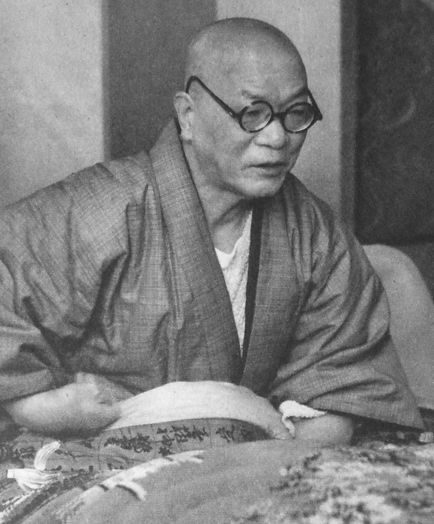
The newspaper’s boss took note. His name was Matsutaro Shoriki.
Matsutaro Shoriki
Shoriki was not a baseball man at first. He was a former police official. In the 1920s, he took over the Yomiuri newspaper. He made it much bigger.
He saw that big events sold papers. Baseball was the biggest event he could find.
After 1931, he wanted a bigger tour. He wanted the biggest star in the world. He wanted Babe Ruth.
He had help. One helper was a sportswriter, Sotaro Suzuki. One was a U.S. player, Lefty O’Doul. O’Doul had been to Japan before and loved it. Together, they built the 1934 team.
The 1934 Tour Arrives
The American stars sailed from Vancouver, Canada, on October 20, 1934. They stopped in Honolulu. Then they went on to Japan.
They landed in Yokohama on November 2, 1934.
The welcome was wild. Fans lined the piers. In Tokyo, crowds filled the streets to see the players ride by. Some reports say half a million people came out. Confetti fell from the buildings. Fans shouted “Banzai, Babe Ruth!” Ruth stood up in his car. He held a flag of Japan in one hand. He held a U.S. flag in the other.
The team was full of stars. Here are some of them:
- Babe Ruth
- Lou Gehrig
- Jimmie Foxx
- Charlie Gehringer
- Earl Averill
- Lefty Gomez
- Lefty O’Doul
- Moe Berg, a catcher
Connie Mack, the famous manager, came too. Many of the players brought their wives. Ruth brought his wife and daughter.
The Games of the Tour
The Americans played 18 games in Japan. They faced a team of Japan’s best players, called All Nippon.
The games went all over the country. They went north as far as Hakodate. They went south as far as Kokura. They played at big parks, like Koshien.
The Americans won all 18 games. Most were not close. One count says the Americans outscored All Nippon 181 to 36.
Ruth hit 13 home runs on the tour. Fans stood up every time he came to bat.
But two games were close. And one of them made a hero.
Sawamura’s Game in Shizuoka
On November 20, 1934, the teams played in Shizuoka, near Mount Fuji. The park was called Kusanagi Stadium. It was small. Only about 8,000 people could fit.
The pitcher for All Nippon was Eiji Sawamura. He was 17 years old. He was still a high school student.
He did something no one thought he could do. He struck out Charlie Gehringer. Then Babe Ruth. Then Lou Gehrig. Then Jimmie Foxx. Four great hitters, one after another.
He kept them off the board for a long time. Then, in the seventh, Lou Gehrig hit a home run. That was the only run. The Americans won, 1 to 0.
Sawamura lost the game. But he won the country. People talked about that game for years. Today, Japan’s top pitching prize, the Sawamura Award, is named after him.
There is a lesson in that. Sometimes losing well can mean more than winning.
Other Stories from the Tour
The tour had some strange sides too.
Moe Berg, the catcher, brought a movie camera. He shot short films of key sites in Japan. Years later, Berg worked as a spy for the United States. Some think his 1934 films were part of that work. That part of the story is still argued about.
Jimmie Foxx and his wife also shot home movies. The Hall of Fame in the U.S. has saved a copy of their film.
After Japan, the team played in Shanghai and Manila. Then most players went home.
The tour also put Shoriki in danger. Some people in Japan were mad. They did not like that the Americans had played at Jingu. That park sat on land tied to a shrine. Not long after the tour, a man attacked Shoriki with a sword. Shoriki lived. But he had a long scar for the rest of his life.
The First Lasting Pro Team
The Japanese players from All Nippon had played well together. Shoriki did not want to let the team break up.
Other pro teams had tried before. In the 1920s, a few small pro clubs played in Japan. None of them lasted.
This time was different. On December 26, 1934, Shoriki’s group set up a pro club. Its long name was the Great Japan Tokyo Baseball Club. In Japanese, that is Dai Nippon Tokyo Yakyu Kurabu.
Many of the players from the tour joined. That included young Eiji Sawamura and a Russian-born pitcher named Victor Starffin.
This club still exists. It is the team we now call the Yomiuri Giants. Read the full story on our Yomiuri Giants history page.
The 1935 Trip to America
In 1935, the new club had no league to play in. So it went on the road.
The team sailed to the United States. It played college teams, minor league teams and local clubs. It played 109 games in 128 days. Some days it played two games.
While they were there, Lefty O’Doul gave the team a nickname. He had played for the New York Giants. So he called the Japanese team the Tokyo Giants. The name stuck. The team’s look even came to resemble the New York Giants.
The trip made money and made news. Back home, people began to see that a pro team could work.
Other Teams Join
Shoriki knew one team was not enough. A team needs other teams to play. So he pushed other companies to start clubs.
Most of the new owners were newspapers and railways. A railway could carry fans to games. A newspaper could write about them.
Here is how the first clubs were born:
- Tokyo Kyojin. Shoriki’s club, set up in December 1934. Kyojin means “giants.”
- Osaka Tigers. Set up on December 10, 1935. The owner was the Hanshin railway. Hanshin owned Koshien Stadium. Today this team is the Hanshin Tigers.
- Nagoya. Set up on January 15, 1936, by the Shin-Aichi newspaper. Today this team is the Chunichi Dragons.
- Hankyu. Set up on January 23, 1936, by the Hankyu railway. It was the rival of Hanshin. This team later became the Orix club. See our Orix Buffaloes history page.
- Dai Tokyo. A Tokyo club backed by the Kokumin newspaper.
- Nagoya Kinko. A second club in Nagoya. A rival newspaper backed it.
- Tokyo Senators. A third club in Tokyo.
That made seven teams. Three were in Tokyo. Two were in Osaka. Two were in Nagoya.
The Hankyu boss was Ichizo Kobayashi. He was on a trip to the U.S. when he heard about the Hanshin club. He sent word home right away. He wanted a team of his own. He also ordered a new ballpark built. Rivals in business became rivals on the field.
The League Is Formed
On February 5, 1936, the seven teams met in Tokyo. They formed a league. In Japanese, it was called the Nihon Shokugyo Yakyu Renmei. That means the Japan Pro Baseball League.
This league is the root of today’s Nippon Professional Baseball.
Four days later, on February 9, 1936, the Giants played Nagoya Kinko. The game was at Narumi Stadium near Nagoya. It was a send-off game. The Giants were about to leave on a second trip to the U.S. It did not count in the standings. But it is seen as the first game of pro team against pro team in Japan.
Nagoya Kinko won, 10 to 3. Sawamura pitched for the Giants and got hit hard. The Giants won the next two games.
The First League Games
The Giants were in America that spring. So the other six teams started without them.
On April 29, 1936, the first league games began at Koshien Stadium. The first game was Nagoya against Dai Tokyo. It started at 11:10 in the morning, in a light rain. Nagoya won, 8 to 5.
Nagoya had two Americans on the team. They were a catcher, Harris McGalliard, and a pitcher, Herbert North. They were some of the first foreign players in the pro game. That same year, a Black pitcher from the U.S., Jimmy Bonner, also joined a club in Japan. That was eleven years before Jackie Robinson broke in with Brooklyn.
The spring event ran until early May. The Tokyo Senators had the best record.
How the 1936 Season Worked
The first season did not look like a season today. There was no long schedule with one set of standings.
Instead, the league held a set of short events. Some were round-robins, where every team played every other team. Some were knockout tournaments. They were held in Tokyo, Osaka and Nagoya.
Teams did not have home parks the way they do now. They played wherever there was a field.
In the fall, the league kept score with points. The top team in each event got one point. If two teams tied, each got half a point.
When the fall was over, two teams were tied. The Giants and the Tigers each had two and a half points.
Sawamura’s No-Hitter
On September 25, 1936, Eiji Sawamura pitched against the Tigers at Koshien. He did not give up a hit. It was the first no-hitter in Japanese pro baseball.
He would throw two more in his career. One came on May 1, 1937. The other came on July 6, 1940.
The First Title: The Suzaki Showdown
To break the tie, they played a set of three games. The games were at Suzaki Stadium in Tokyo. It was a small wood park by the bay. The first game was on December 9, 1936.
It was very cold. The wind blew in off Tokyo Bay.
- Game 1, December 9: Giants 5, Tigers 3. Sawamura pitched the whole game and struck out 11.
- Game 2, December 10: Tigers 5, Giants 3.
- Game 3, December 11: Giants 4, Tigers 2.
Sawamura pitched in all three games. The Giants won the series, two games to one. They became the first champions of Japanese pro baseball.
These three games were the start of a great rivalry. Fans still call Giants and Tigers games “the old classic.” A stone now marks where the park stood.
Stars of the First Years
The early league had many players who are still famous in Japan.
- Eiji Sawamura. The Giants’ young ace. He was the league’s MVP in the spring of 1937.
- Victor Starffin. A tall Russian-born pitcher for the Giants. He later became the first pitcher in Japan to win 300 games.
- Haruyasu Nakajima. A Giants outfielder. He won the batting triple crown in the fall of 1938.
- Fumio Fujimura. A Tigers star who could pitch and hit.
- Masaru Kageura. Another Tigers two-way star. He had the best ERA in the fall of 1936.
- Tetsuharu Kawakami. He joined the Giants in 1938. Much later, he managed them to nine titles in a row.
Many players in those years both pitched and played the field. Teams were small. A good athlete had to do it all.
The Years That Followed
The new league grew. An eighth team, the Korakuen Eagles, joined in 1937. The Nankai club, from Osaka, joined in 1938. That club is the root of today’s SoftBank Hawks.
A big new park, Korakuen Stadium, opened in Tokyo in 1937. The Giants made it their home from 1938.
In 1937, the league moved to spring and fall seasons. By 1939, it played one full season. That year, the league took the name Japanese Baseball League.
The Giants were the strongest club. They won six titles in a row from 1938 to 1943.
War Comes
Then came the war. Japan was at war in China. In 1941, the Pacific War began.
The league tried to keep playing. In 1940, the league banned English. Team names changed. For a time, even baseball words were changed into Japanese.
Many players went into the army. Eiji Sawamura was one of them. On December 2, 1944, his troop ship was sunk. It went down off the island of Yakushima. He was 27 years old.
About 72 pro players died in the war. The 1944 season was cut short. In 1945, there was no season at all.
Back After the War
Baseball came back fast. The war ended in 1945. By November, pro teams played again. A full season returned in 1946.
The game became more popular than ever. After the war, people needed something to cheer for. Baseball gave them that.
In 1947, the Sawamura Award began. It goes to the best starting pitcher. Today it is one of the top prizes in Japanese baseball.
By the end of the 1940s, more companies wanted teams. That led to a big fight and a big change. After the 1949 season, the league split into two leagues. Read that story on our page about the 1950 split into two leagues.
Eras at a Glance
- 1872 to 1933: Baseball grows as a school and college game.
- 1934: Babe Ruth’s tour. The first lasting pro club is formed.
- 1935: The club tours America and becomes the Tokyo Giants.
- 1936: Seven teams form the league. First games. First title.
- 1937 to 1943: The league grows. The Giants win often.
- 1944 to 1945: War cuts the game short, then stops it.
- 1946 to 1949: The game comes back bigger than before.
- 1950: The two-league system begins.
Why the Founding Matters Today
Many things about Japanese baseball today go back to 1934 and 1936.
Company names. Teams were started by newspapers and railways. That is why teams in Japan still use company names. Think of the Yomiuri Giants. You can read more in our guide to how NPB works.
The Giants and Tigers rivalry. It started at Suzaki in December 1936.
Ties to U.S. baseball. The league grew out of a U.S. tour. It had U.S. help. That link never went away. Today, many of Japan’s best players go on to the major leagues. See our guide to NPB players who went to MLB.
The Sawamura Award. It keeps alive the boy who struck out Babe Ruth.
The clubs. Three of the first seven clubs still play in their first cities. They are the Giants, the Tigers and the Dragons. Hankyu lives on inside Orix.
The First Seven Teams Today
Here is what happened to each first club, as of the 2025 season.
- Tokyo Kyojin: Now the Yomiuri Giants.
- Osaka Tigers: Now the Hanshin Tigers.
- Nagoya: Now the Chunichi Dragons.
- Hankyu: Became the Hankyu Braves, then Orix. Now part of the Orix Buffaloes.
- Dai Tokyo: Became the Lion club, then the Shochiku Robins. In 1953 it merged with the Taiyo Whales. It did not go on as its own club.
- Nagoya Kinko: Merged with the Tokyo Senators in 1940. That club ended in 1944.
- Tokyo Senators: Ended in 1944.
Timeline
- 1872: Horace Wilson teaches baseball to students in Tokyo (some sources say 1873).
- 1878: The Shimbashi Athletic Club forms.
- 1924: Koshien Stadium opens.
- 1931: A Yomiuri tour brings Lou Gehrig and other stars to Japan.
- October 20, 1934: The American stars sail from Vancouver.
- November 2, 1934: They land in Yokohama.
- November 20, 1934: Sawamura’s game in Shizuoka. The Americans win 1 to 0.
- December 26, 1934: The Great Japan Tokyo Baseball Club is formed.
- 1935: The club tours the United States and gets the Giants name.
- December 10, 1935: The Osaka Tigers are formed.
- January 15, 1936: The Nagoya club is formed.
- January 23, 1936: The Hankyu club is formed.
- February 5, 1936: The seven teams form the Japan Pro Baseball League.
- February 9, 1936: First game between two pro teams, at Narumi Stadium.
- April 29, 1936: First league game, at Koshien. Nagoya beats Dai Tokyo 8 to 5.
- September 25, 1936: Sawamura throws the first no-hitter.
- December 9 to 11, 1936: The Giants beat the Tigers at Suzaki for the first title.
- 1937: Korakuen Stadium opens.
- 1939: The league takes the name Japanese Baseball League.
- December 2, 1944: Sawamura dies at sea.
- 1945: No season.
- 1947: The Sawamura Award begins.
- 1950: The Central and Pacific Leagues begin.
Key Terms
- Barnstorming tour: A team goes from town to town to play show games.
- All Nippon: The Japanese all-star team that played the Americans in 1934.
- Kyojin: The word for “giants” in Japanese.
- Shokugyo yakyu: “Job baseball.” An old Japanese name for pro baseball.
- Two-way player: A player who both pitches and hits.
- No-hitter: A game where a pitcher gives up no hits.
For many more words, see our Japanese baseball glossary.
Common Questions
When did Japanese pro baseball start? The league formed on February 5, 1936. The first league game was on April 29, 1936.
What was the first pro team in Japan? The first one that lasted was formed on December 26, 1934. It is now the Yomiuri Giants. A few earlier pro clubs played in the 1920s but did not last.
Did Babe Ruth really play in Japan? Yes. He toured Japan in November and December 1934. He hit 13 home runs.
Who was Eiji Sawamura? He was a pitcher. At 17, he struck out four U.S. stars in a row. He later starred for the Giants. He died in the war in 1944.
How many teams were in the first league? Seven.
Who won the first title? The Tokyo Kyojin, now the Giants. They beat the Osaka Tigers in December 1936.
Why are the Giants called the Giants? Lefty O’Doul named them in 1935, after the New York Giants.
The Bottom Line
In 1934, Babe Ruth came to Japan. The land loved school baseball. It did not trust pro baseball. A boy struck him out, and a newspaper boss saw his chance. In two years, Japan had a pro club. Then it had seven teams and a league.
There is a lesson in that. A big idea can take hold fast. It just needs the right people at the right time.
Next, read how that one league became two: the 1950 split. For more on the clubs, see our teams page. For stat leaders by year, see the title holders hub.
Sources
- Wikipedia, “1934 Japan Tour.” https://en.wikipedia.org/wiki/1934_Japan_Tour
- Wikipedia, “Japanese Baseball League.” https://en.wikipedia.org/wiki/Japanese_Baseball_League
- Wikipedia, “Baseball in Japan.” https://en.wikipedia.org/wiki/Baseball_in_Japan
- Wikipedia, “Horace Wilson (professor).” https://en.wikipedia.org/wiki/Horace_Wilson_(professor)
- Wikipedia, “Matsutaro Shoriki.” https://en.wikipedia.org/wiki/Matsutar%C5%8D_Sh%C5%8Driki
- Wikipedia, “Eiji Sawamura.” https://en.wikipedia.org/wiki/Eiji_Sawamura
- Wikipedia, “Lefty O’Doul.” https://en.wikipedia.org/wiki/Lefty_O%27Doul
- Wikipedia, “Yomiuri Giants.” https://en.wikipedia.org/wiki/Yomiuri_Giants
- Wikipedia, “Korakuen Stadium.” https://en.wikipedia.org/wiki/Korakuen_Stadium
- Wikipedia (Japanese), “1936年の野球.” https://ja.wikipedia.org/wiki/1936年の野球
- SABR, “Murder, Espionage, and Baseball: The 1934 All-American Tour of Japan.” https://sabr.org/journal/article/murder-espionage-and-baseball-the-1934-all-american-tour-of-japan/
- SABR, “Babe Ruth and Baseball Diplomacy.” https://sabr.org/journal/article/babe-ruth-and-baseball-diplomacy/
- SABR, “Babe Ruth and Eiji Sawamura.” https://sabr.org/journal/article/babe-ruth-and-eiji-sawamura/
- National Baseball Hall of Fame, “1934 Japan Tour footage uncovered.” https://baseballhall.org/discover-more/stories/baseball-history/1934-japan-tour-footage-uncovered
- Baseball-Reference Bullpen, “First Japan Professional Baseball League game.” https://www.baseball-reference.com/bullpen/First_Japan_Professional_Baseball_League_game
- Sports Hochi, on the February 9, 1936 game at Narumi. https://hochi.news/articles/20210208-OHT1T50305.html
- Nikkei, on the Narumi Stadium site. https://www.nikkei.com/article/DGXMZO63723720R10C20A9SHJ000/
- Daily Sports, on the first league game of April 29, 1936. https://www.daily.co.jp/baseball/2026/04/29/0020297662.shtml
- Shukan Baseball Online, on the December 1936 Suzaki series. https://column.sp.baseball.findfriends.jp/?id=133-20251222-01&pid=column_detail