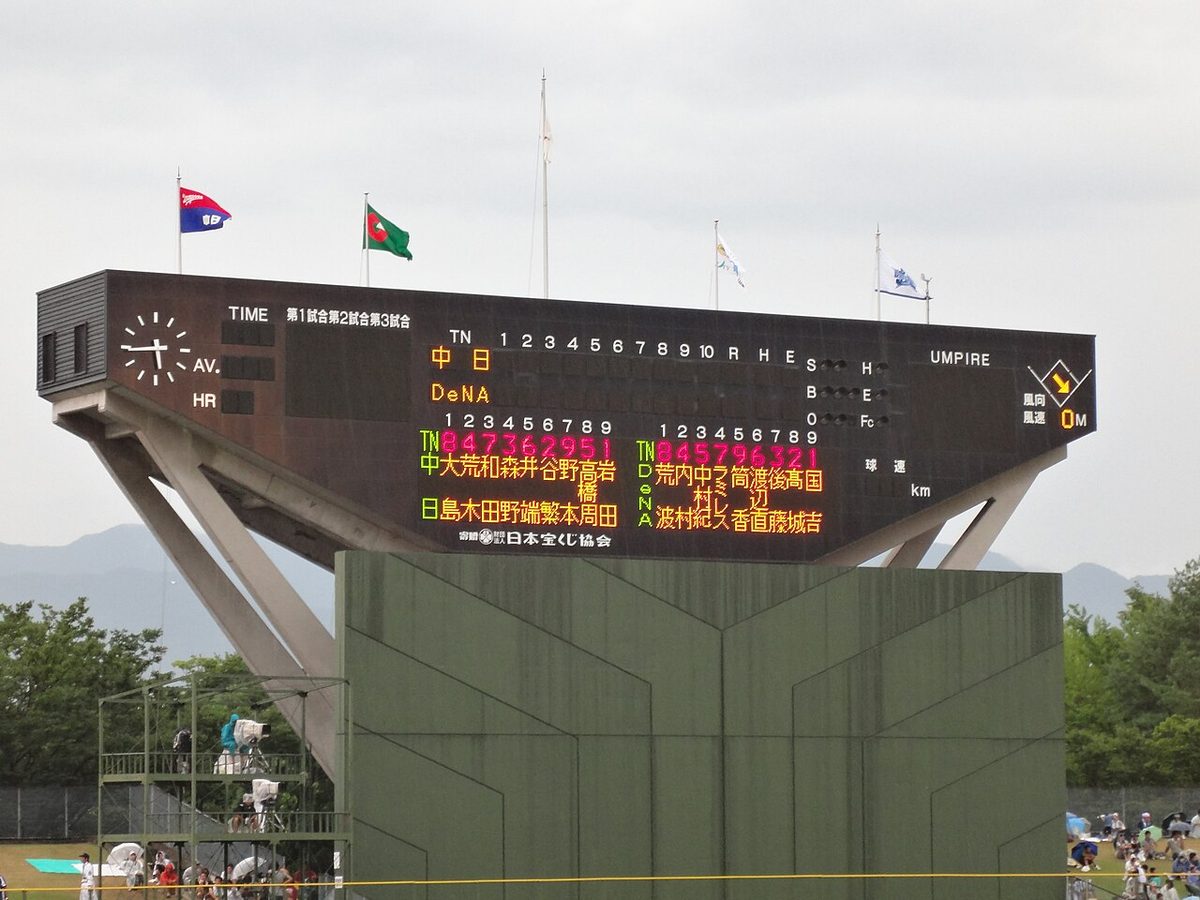
Guides › Japanese Baseball Glossary: Words and Phrases
If you watch a game in Japan, you will hear a lot of words you know. Strike. Out. Home run. But you will also hear words you have never heard before.
Some words are pure Japanese. Some are English words that sound a bit different. And some look like English but mean something else.
This glossary covers them all. There are more than 190 terms here. Each one has the word in romaji (Japanese written in our letters), the word in Japanese, and a plain meaning.
Here’s the thing. You do not need to learn them all. Learn ten, and a game in Japan will start to make sense.
New to the leagues? Read how NPB works first. All our guides are on the guides page.
How to Use This Glossary
Each term looks like this:
- Romaji (Japanese): What it means.
We group the words by topic. There is a part for the leagues, one for batting, one for pitching, and so on.
A few notes:
- We do not mark long vowels. So we write “Koshien,” not “Kōshien.”
- Many words come in two forms. One is a Japanese word. The other is an English word said the Japanese way. We give both when both are used.
- Some words are the same in English and Japanese. We left most of those out. You already know them.
Why Japan Has Its Own Baseball Words
Baseball came to Japan in the 1870s. At first, players used English words. Later, people made Japanese words for the game. One of them was yakyu, the word for baseball itself.
So Japan ended up with two sets of words. One set is Japanese. The other is English, said in a Japanese way.
During World War II, English was pushed out for a time. Even “strike” got a Japanese word. After the war, the English words came back.
Today, fans mix the two sets all the time. A TV voice might say “honruida” one minute and “homuran” the next. Both mean home run.
You can read how the pro game began on our page about the founding of Japanese pro baseball.
The Game and the Leagues
- Yakyu (野球): Baseball. The word means “field ball.”
- Puro yakyu (プロ野球): Pro baseball.
- Nippon Puro Yakyu (日本プロ野球): Japanese pro baseball. In English, the league is called Nippon Professional Baseball, or NPB.
- Se Riigu (セ・リーグ): The Central League. Short for “Sentoraru Riigu.” See our page about the 1950 split.
- Pa Riigu (パ・リーグ): The Pacific League. Short for “Pashifikku Riigu.”
- Koryusen (交流戦): Interleague play. Games between a Central team and a Pacific team in the regular season. It began in 2005.
- Nippon Shiriizu (日本シリーズ): The Japan Series. The two league champs meet in a best of seven.
- Kuraimakkusu Shiriizu (クライマックスシリーズ): The Climax Series. The playoffs in each league before the Japan Series.
- Oru Suta (オールスター): The All-Star Game.
- Yusho (優勝): Winning the title. Fans use it for winning the pennant.
- Nihon-ichi (日本一): “Best in Japan.” Winning the Japan Series.
- Kaimakusen (開幕戦): Opening day. The first game of the season.
- Shiai (試合): A game.
- Kyudan (球団): A club. A team seen as a business.
- Oyagaisha (親会社): Parent company. The company that owns a team. Most team names in Japan include it.
- Honkyochi (本拠地): Home park, or home city.
- Kyujo (球場): A ballpark.
- Domu (ドーム): A domed stadium. Tokyo Dome is the most famous.
- Naita (ナイター): A night game. From “night” plus “-er.” It is often called made-in-Japan English. Some say U.S. writers used it first.
- Dento no Ichisen (伝統の一戦): “The classic match.” Giants against Tigers. See our Hanshin Tigers history page.
Teams and Rosters
- Ichi-gun (一軍): The top team. The players who play in the big games.
- Ni-gun (二軍): The farm team. Like the minor leagues.
- San-gun (三軍): A third team. Only a few clubs have one.
- Isutan Riigu (イースタン・リーグ): The Eastern League. A farm league for teams in the east.
- Uesutan Riigu (ウエスタン・リーグ): The Western League. A farm league for teams in the west.
- Kantoku (監督): The manager.
- Kochi (コーチ): A coach.
- Senshu (選手): A player.
- Senshukai (選手会): The players’ union. It led the 2004 strike. See our page about the 2004 strike.
- Gaikokujin senshu (外国人選手): A foreign player.
- Suketto (助っ人): “Helper.” A common word for a foreign player.
- Gaikokujin waku (外国人枠): The limit on how many foreign players a team can use.
- Shihaika senshu (支配下選手): A player on the main list of a club. A team can have up to 70.
- Ikusei senshu (育成選手): A development player. He is not on the main list yet. He can be moved up.
- Doraffuto (ドラフト): The draft. Teams pick new players from school and amateur ball.
- Dora-ichi (ドラ1): A first-round draft pick.
- Efu E (FA): Free agency. A player can sign with any team after enough years.
- Posutingu (ポスティング): The posting system. A way for a player to move to MLB early. See our guide on the posting system.
- Nenpo (年俸): A player’s yearly pay.
- Keiyaku koshin (契約更改): Contract talks at the end of the year.
- Jishu tore (自主トレ): Training on your own. Players do it in January.
- Kyanpu (キャンプ): Spring camp. It starts on February 1.
- Opun-sen (オープン戦): Spring games before the season. They do not count.
- Eikyu ketsuban (永久欠番): A retired number.
Batting
- Dasha (打者): A batter. Also “batta” (バッター).
- Dajun (打順): The batting order.
- Yoban (四番): The No. 4 batter. The cleanup hitter. In Japan, this is the team’s star bat.
- Kuriin Appu (クリーンアップ): The 3, 4 and 5 hitters.
- Daritsu (打率): Batting average.
- Anda (安打): A hit. Also “hitto” (ヒット).
- Honruida (本塁打): A home run. Also “homuran” (ホームラン).
- Daten (打点): An RBI. A run batted in.
- Taimurii (タイムリー): A hit that drives in a run. From “timely.”
- Shikyu (四球): A walk. Also “foa boru” (フォアボール), from “four balls.”
- Shikyu (死球): Hit by a pitch. It sounds just like the word for a walk, but it uses other characters. Also “deddo boru” (デッドボール), from “dead ball.”
- Sanshin (三振): A strikeout.
- Banto (バント): A bunt.
- Gida (犠打): A sacrifice bunt.
- Gihi (犠飛): A sacrifice fly.
- Daida (代打): A pinch hitter.
- Daiso (代走): A pinch runner.
- Shimei dasha (指名打者): The designated hitter, or DH. The Pacific League has used it since 1975.
- Renda (連打): Hits in a row.
- Sayonara (サヨナラ): A walk-off. “Sayonara homuran” is a walk-off home run.
- Gyakuten (逆転): Coming from behind to take the lead.
- Senseiten (先制点): The first run of the game.
- Homu in (ホームイン): Crossing home plate to score. Made-in-Japan English.
- Furu kaunto (フルカウント): A full count. Three balls and two strikes.
- Chansu (チャンス): A chance to score, with runners on base.
- Pinchi (ピンチ): Trouble for the pitcher. Runners on, danger ahead.
Pitching
- Toshu (投手): A pitcher. Also “pitcha” (ピッチャー).
- Senpatsu (先発): The starting pitcher.
- Chutsugi (中継ぎ): A middle reliever. A pitcher who comes in after the starter.
- Osae (抑え): The closer. The pitcher who gets the last outs.
- Kyuen (救援): Relief pitching.
- Naka roku-nichi (中6日): Six days of rest between starts. Many starters in Japan pitch once a week.
- Tokyusu (投球数): Pitch count.
- Kyusoku (球速): How fast a pitch is.
- Sutoreto (ストレート): A fastball. From “straight.” Also “chokkyu” (直球).
- Henkakyu (変化球): A breaking ball. Any pitch that moves.
- Foku (フォーク): A forkball or splitter. It drops as it reaches the plate.
- Shuto (シュート): A pitch that runs in on a same-side batter.
- Suraida (スライダー): A slider.
- Kanto (完投): A complete game. The starter pitches the whole game.
- Kanpu (完封): A shutout. The other team scores no runs.
- Bogyoritsu (防御率): ERA. Earned runs given up per nine innings.
- Datsu-sanshin (奪三振): Strikeouts by a pitcher.
- Sebu (セーブ): A save.
- Horudo (ホールド): A hold. Credit for a reliever who keeps a lead.
- No-hitto no-ran (ノーヒットノーラン): A no-hitter. From “no hit, no run.”
- Kanzen shiai (完全試合): A perfect game. No one reaches base.
- Batteri (バッテリー): The pitcher and catcher together.
- Sain (サイン): A sign, like the catcher’s signal to the pitcher.
- Boku (ボーク): A balk.
Fielding and Positions
- Hoshu (捕手): The catcher. Also “kyatcha” (キャッチャー).
- Ichiruishu (一塁手): The first baseman.
- Niruishu (二塁手): The second baseman.
- Sanruishu (三塁手): The third baseman.
- Yugekishu (遊撃手): The shortstop. Also “shoto” (ショート).
- Naiyashu (内野手): An infielder.
- Gaiyashu (外野手): An outfielder.
- Shubi (守備): Defense.
- Shissaku (失策): An error. Also “era” (エラー).
- Heisatsu (併殺): A double play. Also “gettsu” (ゲッツー), from “get two.”
- Kurosu pure (クロスプレー): A close play at a base.
Rules and Calls
- Shinpan (審判): An umpire.
- Kyushin (球審): The home plate umpire.
- Kai (回): An inning.
- Omote (表): The top of an inning.
- Ura (裏): The bottom of an inning.
- Chenji (チェンジ): The side is out. From “change.” Teams switch.
- Encho (延長): Extra innings.
- Hikiwake (引き分け): A tie game. In Japan, a game can end in a tie.
- Korudo gemu (コールドゲーム): A game called early, often for rain.
- Rikuesuto (リクエスト): A manager’s request for a video review.
- Taimu (タイム): Time out.
Titles, Awards and Records
- Shui dasha (首位打者): The batting title. The player with the best average.
- Honruida-o (本塁打王): The home run title. “O” means king.
- Daten-o (打点王): The RBI title.
- Torui-o (盗塁王): The stolen base title. “Torui” (盗塁) means a stolen base.
- Saita-sho (最多勝): The most wins title.
- Saiyushu bogyoritsu (最優秀防御率): The best ERA title.
- Saita datsu-sanshin (最多奪三振): The most strikeouts title.
- Sankan-o (三冠王): The triple crown. Leading the league in average, home runs and RBIs.
- Saiyushu senshu (最優秀選手): The MVP.
- Shinjin-o (新人王): Rookie of the year.
- Besuto Nain (ベストナイン): The Best Nine. An award for the best player at each spot.
- Gorudon Gurabu-sho (ゴールデングラブ賞): The Golden Glove, for top fielders.
- Sawamura-sho (沢村賞): The Sawamura Award, for the best starting pitcher. It is named for Eiji Sawamura.
- Meikyukai (名球会): The Golden Players Club. For hitters with 2,000 hits and pitchers with 200 wins or 250 saves.
- Yakyu Dendo (野球殿堂): The Japanese Baseball Hall of Fame.
- Kiroku (記録): A record.
You can see who won the batting titles each year on our title holders hub. For one stat, try the home run title holders.
Calls You Will Hear Every Game
- Sutoraiku (ストライク): A strike.
- Boru (ボール): A ball. A pitch out of the zone.
- Auto (アウト): An out.
- Sefu (セーフ): Safe.
- Fauru (ファウル): A foul ball.
- Furai (フライ): A fly ball.
- Raina (ライナー): A line drive. From “liner.”
- Ichiban (一番): The leadoff hitter. The No. 1 batter.
- Toban (登板): When a pitcher goes into a game.
- Koban (降板): When a pitcher is taken out of a game.
- Taijo (退場): An ejection. The umpire sends a player or manager off.
Words from Baseball History
These words come up when people talk about the past. Our history pages tell the full stories.
- Shokugyo yakyu (職業野球): “Job baseball.” The old word for pro baseball in the 1930s.
- Ni-riigu-sei (2リーグ制): The two-league system. Japan has used it since 1950.
- Ichi-riigu-sei (1リーグ制): A one-league system. Some owners pushed for it in 2004.
- Gappei (合併): A merger of two teams.
- Saihen (再編): Realignment. A change in how the teams and leagues are set up.
- Sutoraiki (ストライキ): A labor strike. The players held the first one in 2004.
- Shinki sannyu (新規参入): A new team joining the league. Rakuten did it in 2004.
Fans and Cheering
- Fan (ファン): A fan.
- Oendan (応援団): A cheering group. They lead songs and chants with drums and trumpets.
- Oenka (応援歌): A fight song. Many players have their own.
- Gaiyaseki (外野席): The outfield seats. The loudest fans sit here.
- Naiyaseki (内野席): The infield seats.
- Megahon (メガホン): A small plastic horn fans clap and shout with.
- Jetto fusen (ジェット風船): Long balloons fans let go all at once. Tigers and Carp fans are known for them.
- Rakki Sebun (ラッキーセブン): “Lucky seven.” The middle of the seventh inning, when fans sing and cheer.
- Uriko (売り子): A seat vendor. Many carry beer kegs on their backs.
- Hiro intabyu (ヒーローインタビュー): The hero interview. The star of the game talks to fans on the field after a win.
- Kapu Joshi (カープ女子): Young women who are Carp fans. See our Hiroshima Carp history page.
School and Amateur Baseball
- Koko yakyu (高校野球): High school baseball.
- Koshien (甲子園): The stadium near Osaka. Also the name for the big high school tournaments. See our guide to Koshien explained.
- Natsu no Koshien (夏の甲子園): The summer high school tournament.
- Senbatsu (センバツ): The spring high school tournament. Teams are picked to play.
- Koshien no tsuchi (甲子園の土): The dirt of Koshien. Players often scoop some up to take home.
- Kaibutsu (怪物): “Monster.” A nickname for a young star.
- Daigaku yakyu (大学野球): College baseball.
- Shakaijin yakyu (社会人野球): Company team baseball. Many pros come from it.
- Dokuritsu Riigu (独立リーグ): An independent league, outside NPB.
Big Ideas and Nicknames
- Wa (和): Harmony. The idea that the team comes before the self.
- Konjo (根性): Guts. Fighting spirit.
- Nitoryu (二刀流): “Two swords.” A player who both pitches and hits, like Shohei Ohtani. See our Nippon-Ham Fighters history page.
- Kyojin (巨人): Giants. The common name for the Yomiuri Giants. See our Yomiuri Giants history page.
- V9 (V9): The Giants’ nine straight Japan Series titles, from 1965 to 1973.
- Misuta (ミスター): “Mister.” Shigeo Nagashima’s nickname.
- Samurai Japan (侍ジャパン): The name of Japan’s national team.
More Made-in-Japan English
These words are used in Japan but not in U.S. baseball, or they mean something else there.
- Anda suro (アンダースロー): A submarine pitcher. He throws from down low. From “under throw.”
- Saido suro (サイドスロー): A sidearm pitcher. From “side throw.”
- Oba suro (オーバースロー): An overhand pitcher. In U.S. English, an overthrow is a bad throw.
- Inkosu (インコース): An inside pitch. From “in course.”
- Autokosu (アウトコース): An outside pitch.
- Uiningu shotto (ウイニングショット): A pitcher’s best pitch. The one he uses to get the out.
- Sutoppa (ストッパー): The closer. From “stopper.” Many now say “kurosa” (クローザー).
- Settoappa (セットアッパー): The setup man. He pitches the eighth inning, or so, before the closer.
- Sutamen (スタメン): The starting lineup. Short for “starting member.”
- Goro (ゴロ): A ground ball. From “grounder.”
- Iregyura (イレギュラー): A bad hop. From “irregular bounce.”
- Kusshon boru (クッションボール): A ball that bounces off the wall.
- Entaitoru tsu besu (エンタイトルツーベース): A ground rule double. From “entitled two-base.”
- Saikuru hitto (サイクルヒット): Hitting for the cycle. A single, a double, a triple and a home run in one game.
- Suri banto (スリーバント): A bunt with two strikes. A foul here is a strikeout.
- Sefuti banto (セーフティバント): A bunt for a hit.
- Tatchi appu (タッチアップ): Tagging up on a fly ball.
- Kyatchi boru (キャッチボール): Playing catch.
- Gemu setto (ゲームセット): The game is over. From “game set.”
Made-in-Japan English in Short
Some words above look like English. But you would not hear them in a U.S. park. These are made-in-Japan English. Here are the main ones in one list.
- Naita (night game).
- Foa boru (a walk).
- Deddo boru (hit by a pitch).
- Gettsu (a double play).
- Homu in (scoring a run).
- Taimurii (an RBI hit).
- Rakki Sebun (the seventh inning).
- Chenji (the side is out).
- Sutoreto (a fastball).
There is a lesson in that. A word can travel across an ocean and come back as something new. The game did the same thing.
Tips for Your First Game in Japan
- Listen for “chansu” when your team has runners on. Fans get loud.
- Listen for “pinchi” when the other team does.
- When you hear “sayonara,” the game is over, and someone just won it.
- Stay for the “hiro intabyu.” It is a fun part of the night.
- Sit in the “gaiyaseki” if you want to sing with the “oendan.”
For more on how the game in Japan is not the same as in the U.S., read our guide to NPB vs MLB.
Common Questions
What is the Japanese word for baseball? Yakyu (野球). It means “field ball.”
What does “sayonara” mean in baseball? A walk-off. The home team wins in its last at bat.
Why do Japanese fans say “foa boru”? It means a walk. It comes from “four balls.”
What is the “yoban”? The No. 4 hitter. In Japan, he is often the team’s best power hitter.
What is a “suketto”? A word for a foreign player. It means “helper.”
What is “nitoryu”? A two-way player. Someone who pitches and hits.
Do Japanese games end in ties? Yes. That is called a “hikiwake.”
The Bottom Line
You can enjoy a game in Japan without any of these words. But each one you learn opens a door. You will know why the crowd roars at a “chansu.” You will know what a “sayonara” means before the scoreboard tells you.
Start small. Learn yakyu, sayonara, chansu and pinchi. Then add a few each game.
For the stories behind the words, see our history hub. For all twelve clubs, see our teams page.
Sources
- Wikipedia (Japanese), “野球用語一覧.” https://ja.wikipedia.org/wiki/野球用語一覧
- Wikipedia (Japanese), “和製英語.” https://ja.wikipedia.org/wiki/和製英語
- Wikipedia, “Baseball in Japan.” https://en.wikipedia.org/wiki/Baseball_in_Japan
- Wikipedia, “Nippon Professional Baseball.” https://en.wikipedia.org/wiki/Nippon_Professional_Baseball
- Wikipedia, “Eiji Sawamura.” https://en.wikipedia.org/wiki/Eiji_Sawamura
- Wikipedia, “Pacific League.” https://en.wikipedia.org/wiki/Pacific_League
- MLB.com, “Japanese posting system” (glossary). https://www.mlb.com/glossary/transactions/japanese-posting-system