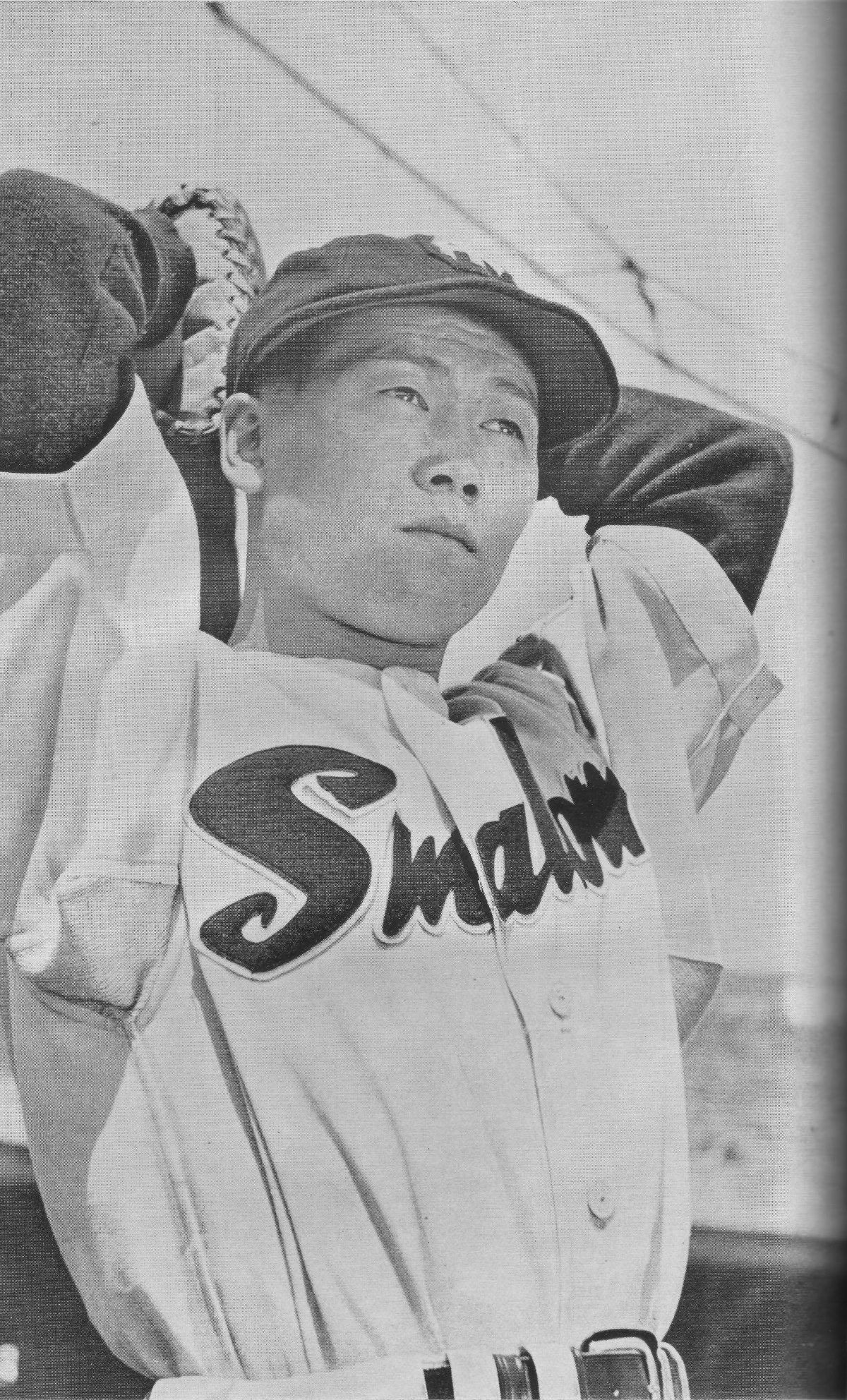
History › The 1950 Split: How the Central and Pacific Leagues Began
Japan has two pro leagues. One is the Central League. The other is the Pacific League. Each has six teams. At the end of the year, the two champs meet in the Japan Series.
It was not always like that. From 1936 to 1949, there was just one league. Then, in late 1949, that league broke apart. It was not a calm, planned change. It was a fight.
New companies wanted in. Old teams did not want to share. One team changed sides at the last minute. Players were lured away. The army that ran Japan after the war had to step in.
This page tells the full story. We start with the boom after the war. Then we cover the plan for two leagues. We look at the fight and the split. Then we see the first season. We end with how fifteen teams became twelve.
Here’s the thing. The two leagues were born as rivals. You can still feel some of that today.
New to how the leagues work now? Read how NPB works first. For the whole timeline, see our history hub.
Quick Facts
- Before the split: One league. It had eight teams in 1949.
- Pacific League formed: November 26, 1949. Its first name was the Taiheiyo Baseball Union.
- Central League formed: December 15, 1949.
- First season of two leagues: 1950.
- Teams in 1950: Fifteen. Eight in the Central. Seven in the Pacific.
- First champions: The Shochiku Robins won the Central. The Mainichi Orions won the Pacific.
- First Japan Series: November 22 to 28, 1950. Mainichi won, four games to two.
- Twelve teams: From 1958 on, each league had six teams.
The Boom After the War
World War II ended in August 1945. Japan was in ruins. But baseball came back fast.
On November 23, 1945, pro players held an East against West game. It was in Tokyo. More games followed. In 1946, eight teams played a full season.
The game grew fast. Why? People were poor. They were tired. They needed joy. Baseball gave them fun for a few hours.
The U.S. forces that ran Japan helped too. They let pros play at Jingu. Before, that park had been seen as too holy for pro games. Sports papers popped up. Radio began to carry games.
New stars made fans cheer.
- Tetsuharu Kawakami of the Giants used a red bat.
- Hiroshi Oshita of the Tokyo club used a blue bat.
- Fumio Fujimura of the Tigers swung a very long bat. Fans called it the “laundry pole.”
By 1949, more than half the teams were set to make money. For the first time, pro baseball was a good business.
And when a business makes money, others want in.
A Rival League That Did Not Last
In 1947, a second league tried to start. It was called the Kokumin League. It had four teams.
It played a short summer season. But it could not compete with the old league. It shut down a few games into its fall season.
That showed one thing. New teams wanted to play. But it would be hard to do it alone.
Teams Get Nicknames and Home Towns
In those years, the league tried to be more like the big leagues in the U.S.
In 1947, teams began to use nicknames more. The Tokyo Kyojin became the Yomiuri Giants. The Osaka club was known as the Tigers. Some names stuck. Some did not.
In 1948, the league tried out home areas for teams. In the past, teams had played wherever there was a field. Now each team had a home it could call its own.
These steps made the game feel more grown up. They also made it more worth owning.
Shoriki’s Plan
Matsutaro Shoriki was the man who had built the Giants back in 1934. Read that story on our page about the founding of Japanese pro baseball.
In early 1949, Shoriki was made the first head of the whole league. But there was a problem. After the war, the U.S. forces had banned him from public jobs. They warned the league. In May 1949, he had to step down.
Still, he had a plan. On April 15, 1949, he laid it out.
- The league had eight teams. It would grow to ten.
- Then, if that went well, it would grow to twelve.
- At twelve, it would split into two leagues, like in the U.S.
His plan was to go step by step. One league would be built around his Giants. The other would be built around a rival newspaper, the Mainichi.
Here’s the thing. The plan was slow and careful. What really happened was fast and messy.
Everyone Wants a Team
Once word got out, lots of companies wanted teams.
In September 1949, the applications came in.
- September 14: The Kintetsu railway applied.
- September 20: The Nishitetsu railway applied.
- September 21: The Mainichi newspaper applied.
Then more came. A fishing company called Taiyo applied. A paper in Hiroshima wanted a team. So did others. Many more names were talked about.
Shoriki’s slow plan was dead. Now the league had to decide who got in.
The Old Teams Pick Sides
The eight old teams did not agree.
Three teams were against new members. They were the Giants, the Chunichi Dragons and the Taiyo Robins.
The Giants were owned by the Yomiuri paper. Yomiuri did not want its big rival, Mainichi, to get a team. Chunichi was a newspaper too. It felt the same way.
Five teams were for new members. They were the Tigers, Hankyu, Nankai, Tokyu and Daiei.
Why? Some had good reasons to like Mainichi. Mainichi was strong in Osaka, where Yomiuri was weak. Others were tired of the Giants getting their way. Nankai was still mad. The Giants had taken one of its star pitchers.
The five teams made a deal. If the league split, they would all go with Mainichi.
The Tigers signed that deal.
The Seals Come to Town
That fall, a team from San Francisco came to Japan. It was the San Francisco Seals, a top minor league club. Their manager was Lefty O’Doul, an old friend of Japanese baseball.
It was the first big U.S. team to visit since the war. It was a happy time. So the teams put their fight on hold while the Seals were there.
When the Seals left, the fight came back.
The Tigers Switch Sides
On November 22, 1949, the teams met again. By now it was clear that the league would split in two.
Then the Tigers dropped a bomb. They said they would not go with Mainichi after all. They would stay in the same league as the Giants.
Why? The answer is simple. Giants against Tigers was the best game in Japan. It drew the biggest crowds. The Tigers did not want to lose it.
The Tigers later said they had never promised to leave the Giants. But the other four teams felt betrayed. Mainichi felt it most of all.
The Tigers and the Giants had been rivals since 1936. Now they were on the same side. You can read more on our Hanshin Tigers history page.
Two Leagues Are Born
The old league broke up.
On November 26, 1949, the Pacific League was formed. At first, it was called the Taiheiyo Baseball Union. Taiheiyo means “Pacific Ocean.” Its first head was Masaichi Nagata. He owned the Daiei Stars.
On December 15, 1949, the Central League was formed.
The Seven Pacific League Teams
The Pacific League started with seven teams. Four were old. Three were new.
The old teams:
- Hankyu Braves. Later Orix. See our Orix Buffaloes history page.
- Nankai Hawks. Later SoftBank. See our SoftBank Hawks history page.
- Tokyu Flyers. Later Nippon-Ham. See our Nippon-Ham Fighters history page.
- Daiei Stars. They later merged into the Orions.
The new teams:
- Mainichi Orions. Owned by the Mainichi newspaper. This club later became Lotte. See our Chiba Lotte Marines history page.
- Nishitetsu Clippers. A railway team from Fukuoka. This club is the root of the Lions. See our Seibu Lions history page.
- Kintetsu Pearls. A railway team from Osaka. Later the Kintetsu Buffaloes. This club merged into Orix in 2004.
The Eight Central League Teams
The Central League started with just four old teams. That was too few. So it added four new ones fast.
The old teams:
- Yomiuri Giants. See our Yomiuri Giants history page.
- Osaka Tigers. Today the Hanshin Tigers.
- Chunichi Dragons. See our Chunichi Dragons history page.
- Shochiku Robins. A club that went back to 1936.
The new teams:
- Taiyo Whales. Owned by a fishing company. They first played in Shimonoseki. Today they are the Yokohama DeNA BayStars.
- Hiroshima Carp. A team for the city of Hiroshima. It was set up on December 5, 1949. See our Hiroshima Carp history page.
- Kokutetsu Swallows. Owned by the state railway. It was set up on January 12, 1950. Today they are the Yakult Swallows.
- Nishi Nippon Pirates. Owned by a Fukuoka newspaper.
The Pirates have a strange story. Nishitetsu had planned its team with a local paper, the Nishi Nippon Shimbun. The Giants wanted a Central League team in the south too. So the paper was pulled away to start its own team, the Pirates.
New Places Get Teams
One good thing came out of the split. Baseball spread to new places.
Before 1950, pro teams were mostly in Tokyo, Osaka and Nagoya. After the split, there were teams in Hiroshima, Shimonoseki and Fukuoka.
That meant millions of new fans. Hiroshima had been hit by the atomic bomb in 1945. Its new team became a symbol of the city coming back.
The Player Raids
Now each league needed players. The new teams had money but no stars. So they went after the old teams’ stars.
Mainichi hired Tadashi Wakabayashi, a top Tigers pitcher, as its player and manager. Then it signed many of his Tigers teammates. Kaoru Betto went. So did catcher Takeshi Doigaki. So did Shosei Go.
The Tigers had switched sides. Now they paid for it.
The Central League struck back. The Giants helped the new Pirates take players from Hankyu and Tokyu. A Central League leader, Masashi Akamine, moved players from Daiei to Shochiku. One of them was Makoto Kozuru, a great hitter. Fans called it the “Akamine whirlwind.”
It was a mess. Players jumped from team to team. Teams fought over who owned whom.
The U.S. Forces Step In
The U.S. forces did not like what they saw. Baseball was a game kids looked up to. This was not a good look.
An American officer, William Marquat, sent a sharp warning.
On February 7, 1950, the heads of the two leagues signed a deal. Players would go back to where they were when the split took place. But 14 moves that had already been agreed on would stand.
It did not fix everything. But it calmed things down enough to start the season.
The 1950 Season
In 1950, the two leagues played their first seasons.
In the Central League, the Shochiku Robins won the pennant. They went 98 wins, 35 losses and 4 ties. Kozuru was a big part of it.
In the Pacific League, the Mainichi Orions won in their very first year. They went 81 wins, 34 losses and 5 ties.
There was supposed to be an All-Star Game. But the two leagues were still too angry with each other. It did not happen that year.
The First Japan Series
At the end of 1950, the two champions met for the first time. It was called the Japan World Series back then. Today we call it the Japan Series.
It was a best of seven. Six different parks held games.
- Game 1, November 22, Jingu: Mainichi won 3 to 2 in 12 innings.
- Game 2, November 23, Korakuen Stadium: Mainichi won 5 to 1. Shosei Go hit the first home run in Japan Series history.
- Game 3, November 25, Koshien Stadium: Shochiku won 7 to 6.
- Game 4, November 26, Nishinomiya Stadium: Shochiku won 5 to 3.
- Game 5, November 27, Nagoya: Mainichi won 3 to 2.
- Game 6, November 28, Osaka Stadium: Mainichi won 8 to 7 in 11 innings.
Mainichi won the series, four games to two. Kaoru Betto was the MVP. He was one of the men Mainichi took from the Tigers.
The mood between the two teams was cold. But the series was a hit. It has been played every year since.
How Fifteen Teams Became Twelve
Fifteen teams was too many. Some could not make money. Over the next eight years, the number fell to twelve.
1951: The Pirates fold. They ran out of money after one year. They merged with the Nishitetsu Clippers in Fukuoka. The new team was the Nishitetsu Lions, in the Pacific League. The Central League was down to seven teams.
1952: A tough rule. The Central League made a new rule. A team that won less than 30 percent of its games would be cut or merged. The Shochiku Robins fell below that line.
1953: Shochiku and Taiyo merge. In January 1953, the Robins joined the Whales. That left the Central League with six teams. It has had six ever since.
1954: An eighth Pacific team. The new team was the Takahashi Unions. The idea was to have eight teams. But the Unions were weak from the start.
1957: The Unions fold into Daiei. The Unions merged with the Daiei Stars. The new club was the Daiei Unions. The league was back to seven.
1958: Daiei and Mainichi merge. The new club was the Daimai Orions. That left the Pacific League with six teams.
From the 1958 season on, Japan had twelve teams, six in each league. That number held for a very long time. The next big test came in 2004. Read about it on our page about the 2004 NPB strike and realignment.
New Rules After the Raids
The player raids taught the league a hard lesson. Teams needed clear rules on who owned a player.
In 1951, the leagues set up one contract for all teams. They also wrote a rule book. From then on, a player could not just jump to a new team. His old team had to agree. That put an end to the raids.
Two Leagues, Two Styles
The two leagues grew apart in some ways.
Fans. At first, both leagues drew about the same crowds. The Central League had the Giants and the Tigers. The Pacific League had Nankai and Nishitetsu, two very good teams. But over time, the Central League pulled ahead. TV helped. The Giants were on TV almost every night. For about thirty years, from the 1960s on, the Pacific League drew far fewer fans.
The DH. In 1975, the Pacific League began to use the designated hitter. That is a player who bats for the pitcher. As of the 2025 season, Central League pitchers still had to bat in league games.
Pride. Fans of each league want to beat the other. That started in 1950.
The Leagues Today
The two leagues still play their own seasons. Each has six teams, as of the 2025 season.
Since 2005, teams from the two leagues also play each other in the season. This is called interleague play.
Since 2007, both leagues have held playoffs called the Climax Series. The winners meet in the Japan Series.
Here is how the 1950 teams line up with today’s clubs.
Central League:
- Yomiuri Giants.
- Osaka Tigers, now the Hanshin Tigers.
- Chunichi Dragons.
- Hiroshima Carp, now the Hiroshima Toyo Carp.
- Kokutetsu Swallows, now the Tokyo Yakult Swallows.
- Taiyo Whales, now the Yokohama DeNA BayStars.
Pacific League:
- Nankai Hawks, now the Fukuoka SoftBank Hawks.
- Nishitetsu Clippers, now the Saitama Seibu Lions.
- Mainichi Orions, now the Chiba Lotte Marines.
- Tokyu Flyers, now the Hokkaido Nippon-Ham Fighters.
- Hankyu Braves and Kintetsu Pearls, now both part of the Orix Buffaloes.
- The Tohoku Rakuten Golden Eagles joined in 2005. See our Rakuten Eagles history page.
Timeline
- August 1945: The war ends.
- November 23, 1945: Pro players hold an East against West game at Jingu.
- 1946: Eight teams play a full season.
- 1947: The Kokumin League tries and fails.
- 1948: Teams get home areas on a trial basis.
- April 15, 1949: Shoriki lays out his plan for two leagues.
- May 1949: Shoriki steps down as league head.
- September 14 to 21, 1949: Kintetsu, Nishitetsu and Mainichi apply to join.
- Fall 1949: The San Francisco Seals tour Japan.
- November 22, 1949: The Tigers say they will stay with the Giants.
- November 26, 1949: The Pacific League is formed.
- December 5, 1949: The Hiroshima Carp are set up.
- December 15, 1949: The Central League is formed.
- January 12, 1950: The Kokutetsu Swallows are set up.
- February 7, 1950: The leagues agree to send most players back.
- 1950: The first two-league season.
- November 22 to 28, 1950: Mainichi beats Shochiku in the first Japan Series.
- 1951: The Pirates merge into Nishitetsu.
- January 1953: Shochiku and Taiyo merge. The Central League has six teams.
- 1954: The Takahashi Unions join the Pacific League.
- 1957: The Unions merge with Daiei.
- 1958: Daiei and Mainichi merge. The Pacific League has six teams.
- 1975: The Pacific League adopts the DH.
Key Terms
- Central League (Se Riigu): One of Japan’s two pro leagues. Short form: Se.
- Pacific League (Pa Riigu): The other league. Short form: Pa.
- Japan Series: The best of seven games between the two league champions.
- Pennant: The title for the best team in a league.
- Merger: When two teams join into one.
- Designated hitter (DH): A player who bats in place of the pitcher.
- Interleague play: Regular season games between teams from different leagues.
For many more words, see our Japanese baseball glossary.
Common Questions
When did Japan get two leagues? The leagues were formed in late 1949. The first two-league season was 1950.
Why did the league split? New companies wanted teams. The old teams could not agree on letting them in. The fight broke the league in two.
Who won the first Japan Series? The Mainichi Orions. They beat the Shochiku Robins in six games in November 1950.
How many teams were there in 1950? Fifteen. Eight in the Central League and seven in the Pacific League.
When did Japan settle on twelve teams? The 1958 season was the first with six teams in each league.
Why are the Tigers in the Central League? They chose to stay with the Giants. Their games against the Giants drew the biggest crowds.
Does the Pacific League use the DH? Yes, since 1975.
The Bottom Line
The two leagues were not born from a calm plan. They came out of a fight over money, newspapers and the Giants. One team switched sides. Players were lured away. It took the U.S. forces to calm things down.
But the split worked. It brought the game to new cities. It gave Japan the Japan Series. And within eight years, it settled into the twelve teams fans know.
There is a lesson in that. Something good can come out of a messy fight.
Before this, read about the founding of Japanese pro baseball. Next, read about the 2004 strike and realignment. For all clubs, see our teams page. For stat leaders by year, see the title holders hub.
Sources
- Wikipedia, “Central League.” https://en.wikipedia.org/wiki/Central_League
- Wikipedia, “Pacific League.” https://en.wikipedia.org/wiki/Pacific_League
- Wikipedia, “Japanese Baseball League.” https://en.wikipedia.org/wiki/Japanese_Baseball_League
- Wikipedia, “Nippon Professional Baseball.” https://en.wikipedia.org/wiki/Nippon_Professional_Baseball
- Wikipedia, “1950 Japan Series.” https://en.wikipedia.org/wiki/1950_Japan_Series
- Wikipedia, “Matsutaro Shoriki.” https://en.wikipedia.org/wiki/Matsutar%C5%8D_Sh%C5%8Driki
- Wikipedia, “Lefty O’Doul.” https://en.wikipedia.org/wiki/Lefty_O%27Doul
- Wikipedia (Japanese), “プロ野球再編問題 (1949年).” https://ja.wikipedia.org/wiki/プロ野球再編問題_(1949年)
- Wikipedia, “Yomiuri Giants.” https://en.wikipedia.org/wiki/Yomiuri_Giants
- Wikipedia, “Hanshin Tigers.” https://en.wikipedia.org/wiki/Hanshin_Tigers