Records › The NPB Single-Season Home Run Record: A Complete History
How many home runs can a player hit in one season in Japan? The answer has changed many times.
In 1949, the record was 46. By 2013, it was 60. In between, there were great sluggers, close calls, walks that made fans angry and even a secret change to the ball.
This page tells the full story of the single-season home run record in NPB. NPB stands for Nippon Professional Baseball, Japan’s top league. It runs through the 2025 season.
New to Japanese baseball? Read how NPB works first. For more records, visit our records hub.
Quick Facts
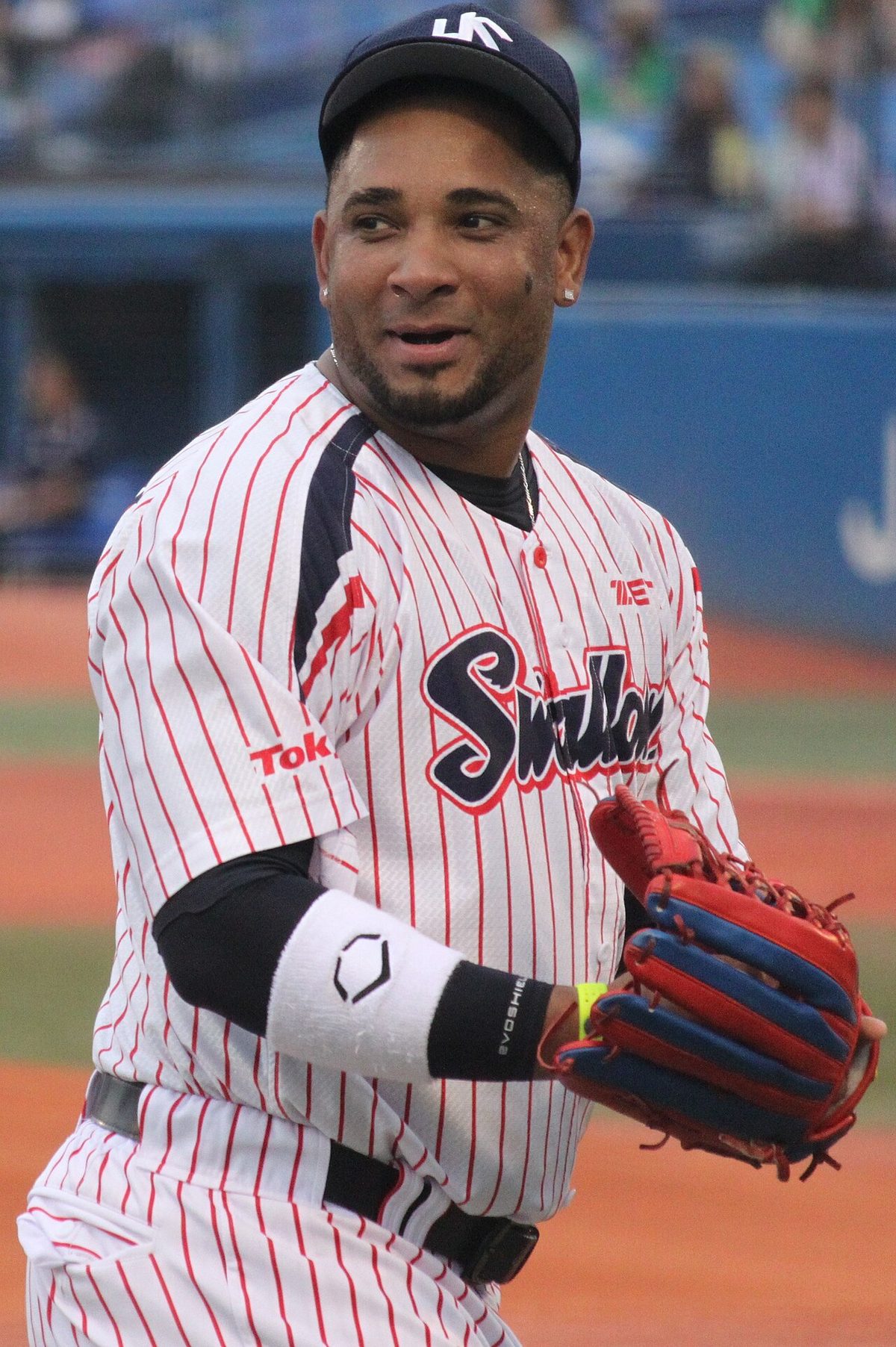
- Current record: 60, by Wladimir Balentien of the Yakult Swallows, in 2013.
- Most by a Japanese-born player: 56, by Munetaka Murakami of Yakult, in 2022.
- Sadaharu Oh’s mark: 55, in 1964. It stood alone for 37 years.
- Players who tied Oh at 55: Tuffy Rhodes in 2001 and Alex Cabrera in 2002.
- First Japanese player with 50: Makoto Kozuru, 51, in 1950.
The Record Step by Step
Here is how the record grew. Each line is a new high or a tie.
- 1949: Fumio Fujimura, Osaka Tigers, 46.
- 1950: Makoto Kozuru, Shochiku Robins, 51.
- 1963: Katsuya Nomura, Nankai Hawks, 52.
- 1964: Sadaharu Oh, Yomiuri Giants, 55.
- 2001: Tuffy Rhodes, Kintetsu Buffaloes, 55. Tied the record.
- 2002: Alex Cabrera, Seibu Lions, 55. Tied the record.
- 2013: Wladimir Balentien, Yakult Swallows, 60.
Why Home Runs Were Rare at First
Pro baseball in Japan started in 1936. In the early years, home runs were rare.
There were a few reasons. The balls were not very lively. Many parks were big. And the game was built around bunts, speed and pitching.
The war made things worse. Gear was hard to get. The balls got even worse.
After the war, that changed. Better balls came in. Fans wanted big hits. And a new kind of star showed up.
Fumio Fujimura: 46 in 1949
Fumio Fujimura played for the Osaka Tigers. That team is now the Hanshin Tigers.
He was a big, strong hitter. In 1949, he hit 46 home runs. That was a new record.
He also drove in 142 runs and batted .362. He was one of the first true sluggers in Japan.
Fujimura was also known for his long, heavy bat. Fans called him a hero. Shigeo Nagashima grew up as one of his fans. Read about Nagashima on our Shigeo Nagashima page.
Makoto Kozuru: 51 in 1950
The very next year, the record fell again.
In 1950, the league split in two. Read about it on our 1950 league split page. There were new teams and more games.
Makoto Kozuru played for the Shochiku Robins in the new Central League. He hit 51 home runs. He was the first Japanese player to hit 50 in a season.
He also drove in 161 runs that year. That is still the NPB record for RBIs in one season.
He won the MVP. See our MVP award page.
Katsuya Nomura: 52 in 1963
The record stood for 13 years. Then a catcher broke it.
Katsuya Nomura played for the Nankai Hawks. In 1963, he hit 52 home runs.
That was amazing for a catcher. Catchers have the hardest job on the field. They squat for every pitch. They get worn down. Most catchers do not hit for much power.
Nomura was different. He would go on to hit 657 home runs in his career. That is second only to Oh. See our career records page.
But his single-season record did not last long. It lasted just one year.
Sadaharu Oh: 55 in 1964
In 1964, Sadaharu Oh of the Yomiuri Giants hit 55 home runs. That broke Nomura’s record.
Oh was 24 years old. He had a special swing. He lifted his front leg high before he swung, like a flamingo standing on one leg. Fans called it the “flamingo” stance.
Here is a strange fact. The Giants did not win the pennant that year. But Oh still won the MVP. His home runs were that impressive.
Oh’s 55 would stand as the record for a very long time. In fact, no one passed it for 49 years.
Oh had other big years too. He hit 51 in 1973. He hit 50 in 1977. But he never topped 55. Read his full story on our Sadaharu Oh page.
Randy Bass: 54 in 1985
In 1985, an American came close. Randy Bass played for the Hanshin Tigers.
That year, Bass was on fire. He won the Triple Crown. That means he led the league in batting average, home runs and runs batted in, all in the same season.
Going into the last game of the year, Bass had 54 home runs. He needed one more to tie Oh. And the last game was against the Giants.
The Giants’ manager was Sadaharu Oh himself.
Giants pitchers walked Bass on purpose, again and again. He did not get a good pitch to hit. He finished with 54.
Many people thought it was not fair. They felt the Giants did not want a foreign player to tie Oh’s record. The story became famous.
Bass also hit .389 in a season. That is still the NPB record for batting average in one year. Read more about Bass on our page about Americans in NPB.
Tuffy Rhodes: 55 in 2001
Tuffy Rhodes was an American outfielder. He played for the Osaka Kintetsu Buffaloes.
In 2001, he hit 55 home runs. That tied Oh’s record. It had stood alone for 37 years.
Rhodes did not pass it. He finished the year tied at 55.
Rhodes went on to hit 464 home runs in Japan. That is the most by any player born outside Japan.
Alex Cabrera: 55 in 2002
The very next year, it happened again.
Alex Cabrera was from Venezuela. He played for the Seibu Lions. In 2002, he hit 55 home runs. That tied the record again.
Like Bass and Rhodes, he could not get past it. Cabrera said that, after his 55th, pitchers threw him very few strikes.
He won the Pacific League MVP that year.
Now three players shared the record: Oh, Rhodes and Cabrera. And two of them had come from other countries.
Why Foreign Sluggers Got Stuck
Here’s the thing. Three foreign players got close to Oh, and none could pass him for years.
Many fans and writers came to believe something. They felt that pitchers did not want a foreign player to break Oh’s record. Oh was a national hero. His record was a national treasure.
Not everyone agrees on how much this was planned. But the walks in 1985 were real. And Cabrera’s words about few strikes were real.
That is part of why the 2013 season was such a big story.
Wladimir Balentien: 60 in 2013
Wladimir Balentien was from Curacao, an island in the Caribbean. He played for the Yakult Swallows.
In 2013, he hit home runs at a pace no one had ever seen in Japan.
He reached 51 by August 29. Then he kept going.
He passed 55 in mid-September. On September 15, he hit his 56th and 57th home runs in one game, against the Hanshin Tigers. The record was his.
He did not stop there. He finished the season with 60 home runs. No one in NPB has ever hit that many.
He won the Central League MVP. Yakult finished in last place that year, so it was a rare honor.
Read about the Swallows on our Yakult Swallows history page.
The Secret Ball
There was a twist to the 2013 season.
In 2011, NPB started using a new, single type of ball for all teams. The new ball did not fly as far. Home runs went way down in 2011 and 2012.
Then, in 2013, home runs went way up again. Players and fans wondered why.
It turned out the ball had been changed. It had been made livelier. But NPB had not told the players or the public.
When this came out, people were angry. The league’s top official, Commissioner Ryozo Kato, stepped down because of it.
The new ball in 2011 was called the “unified ball.” Before that, teams could use balls from different makers. Now every team used the same one.
Some people say the livelier ball helped Balentien. That may be true. But every hitter used the same ball that year. And no one else came close to 60.
Munetaka Murakami: 56 in 2022
For many years, Oh’s 55 was still the record for a Japanese-born player. Then came Munetaka Murakami.
Murakami played third base for the Yakult Swallows. Like Balentien, he was a Swallow.
In 2022, he was just 22 years old. He hit home runs all season long.
By mid-September, he had 55. That tied Oh’s mark for a Japanese-born player. The whole country was watching.
Then he hit a wall. He went 48 at-bats in a row without a home run. Days went by. Fans began to wonder if he would get stuck at 55, just like the others.
So he went into the last game of the season still at 55.
On October 3, 2022, in that last game, he hit number 56. It was the most ever by a player born in Japan.
He also won the Triple Crown that year. He was the first hitter to do it since Nobuhiko Matsunaka in 2004. And he won the MVP.
How the Chase Feels
Here’s what a record chase is like in Japan.
Every at-bat is on TV. The news shows count the home runs each night. Fans hold up signs with the number. When the hitter gets close, the whole park stands up each time he comes to the plate.
The pressure is huge. Hitters say they feel it. Some start to press. They swing at bad pitches. That can lead to a slump, like Murakami’s.
And pitchers feel it too. No pitcher wants to give up the big one. So many of them pitch around the hitter. They throw outside. They throw low. They would rather walk him than be the answer to a trivia question.
That is why breaking a home run record is so hard. It is not just about power. It is about patience and nerve.
Will Anyone Hit 61?
As of the 2025 season, Balentien’s 60 is still the record. Will it fall?
It will be hard. A player would need about one home run every two and a half games, all year. And he would need to stay healthy for all 143 games.
The ball matters too. When the ball is dead, home runs drop for everyone. When it is lively, they go up.
But records are made to be broken. Murakami showed that a young hitter can get close. Someone may get there one day.
Single-Season Leaders at a Glance
Here are the top single-season home run totals in NPB history, as of the 2025 season.
- 60: Wladimir Balentien, 2013.
- 56: Munetaka Murakami, 2022.
- 55: Sadaharu Oh, 1964.
- 55: Tuffy Rhodes, 2001.
- 55: Alex Cabrera, 2002.
- 54: Randy Bass, 1985.
Two Swallows at the Top
Here is a fun fact. The top two seasons in NPB history both belong to Yakult Swallows.
Balentien hit 60 for Yakult in 2013. Murakami hit 56 for Yakult in 2022. They were nine years apart. One was from Curacao. One was from Kumamoto, in the south of Japan.
Both of them also won the MVP in their big year. Both of them chased Oh’s 55 in front of the same home fans in Tokyo.
So if you want to see where the home run record lives, look to the Swallows. Their home park is Meiji Jingu Stadium in Tokyo. It is one of the oldest parks in Japan. Many big home runs have flown out of it.
The Giants’ Shadow
The Giants play a big part in this story, too.
Oh set his record for the Giants. In 1985, the Giants walked Bass to keep him from Oh’s mark. And for years, fans felt that the record was watched over by the Giants and their fans.
That is part of why the record meant so much. It was not just a number. It was tied to the most famous team and the most famous player in Japan. See our Yomiuri Giants history.
Comparing to MLB
In MLB, the single-season record is 73. Barry Bonds hit that many in 2001.
So why is Japan’s record lower? A few reasons.
- Shorter seasons. NPB teams play 143 games today. In the past, they played even fewer. MLB teams play 162.
- Different balls. The NPB ball has changed over the years. Some years it flies. Some years it does not.
- Different parks. Some NPB parks are smaller. Others are big domes.
- Pitching style. NPB pitchers often throw a lot of off-speed pitches. They will pitch around a big hitter.
For more on how the two leagues differ, see our NPB vs MLB guide.
The Home Run Title
The home run record is about one big year. But the home run title is given every year. It goes to the player who hits the most in each league.
Oh won the Central League home run title many times. He holds the record for most home run titles.
Want to see every home run leader, year by year? Visit our home run title holders page.
Timeline
- 1936: Pro baseball begins in Japan. Home runs are rare.
- 1949: Fumio Fujimura hits 46.
- 1950: Makoto Kozuru hits 51.
- 1963: Katsuya Nomura hits 52.
- 1964: Sadaharu Oh hits 55.
- 1985: Randy Bass hits 54. He is walked on purpose in the last game.
- 2001: Tuffy Rhodes hits 55.
- 2002: Alex Cabrera hits 55.
- 2011: A new ball is used. Home runs drop.
- 2013: The ball is made livelier in secret. Balentien hits 60.
- 2022: Munetaka Murakami hits 56, the most by a Japanese-born player.
Key Terms
- Home run: A hit that lets the batter circle all the bases.
- Single-season record: The most of something in one year.
- Triple Crown: Leading the league in batting average, home runs and RBIs in the same year.
- Intentional walk: When a pitcher walks a batter on purpose.
- Commissioner: The top official of the league.
More terms are in our glossary.
Common Questions
What is the NPB single-season home run record? 60, by Wladimir Balentien in 2013.
Who holds the record for a Japanese-born player? Munetaka Murakami, with 56 in 2022.
Did anyone tie Oh’s 55 before 2013? Yes. Tuffy Rhodes in 2001 and Alex Cabrera in 2002.
Why was Randy Bass walked in 1985? He was one home run from tying Oh. Oh’s Giants walked him on purpose in the last game.
Was the 2013 ball changed? Yes. NPB made the ball livelier without telling anyone. The commissioner stepped down over it.
The Bottom Line
The single-season home run record in Japan went from 46 in 1949 to 60 in 2013. Along the way, Sadaharu Oh’s 55 stood for decades. Three foreign sluggers got stuck at or near it.
Then Balentien broke through with 60. And Murakami set a new high for Japanese-born hitters with 56.
As of the 2025 season, Balentien’s 60 is still the record.
Sources
- Wikipedia, “Wladimir Balentien.” https://en.wikipedia.org/wiki/Wladimir_Balentien
- Wikipedia, “Sadaharu Oh.” https://en.wikipedia.org/wiki/Sadaharu_Oh
- Wikipedia, “Randy Bass.” https://en.wikipedia.org/wiki/Randy_Bass
- Wikipedia, “Tuffy Rhodes.” https://en.wikipedia.org/wiki/Tuffy_Rhodes
- Wikipedia, “Alex Cabrera.” https://en.wikipedia.org/wiki/Alex_Cabrera
- Wikipedia, “Makoto Kozuru.” https://en.wikipedia.org/wiki/Makoto_Kozuru
- Wikipedia, “Fumio Fujimura.” https://en.wikipedia.org/wiki/Fumio_Fujimura
- Wikipedia, “Munetaka Murakami.” https://en.wikipedia.org/wiki/Munetaka_Murakami
- BR Bullpen (Baseball-Reference), “Wladimir Balentien.” https://www.baseball-reference.com/bullpen/Wladimir_Balentien